Top 10 FAQs on Digital Marketing (2026): Insights and Statistics

Let’s be honest: digital marketing in India can be really confusing. You’re just trying to figure out how to grow your business online, and it seems like everyone is talking in code when it comes to SEO, ads, and ROI.
We have created this straightforward guide to address the ten most frequently asked questions. Just real talk, real examples, insights that are easy to understand and apply no fancy buzzwords, no tech overload. Consider it your shortcut through the digital maze, allowing you to finally figure out what works and what doesn’t, as well as how to leverage online marketing in India to your advantage.
1.What is Digital Marketing and Why is it Important?
Simply put, digital marketing is marketing for the internet era. It all comes down to getting your brand in front of the right people, whether that means appearing on their Instagram feed or on Google when they search.
In 2026, having an online presence is no longer optional—it’s essential. As of February, over 5.56 billion people—67.9% of the global population—are active internet users. Even more compelling, 5.24 billion (or 63.9% of the world) are using social media platforms to discover brands, engage with content, and make purchase decisions.
If your business isn’t showing up online—whether through SEO, social media marketing, or content marketing—you’re missing out on the attention of a connected global audience.
Want your brand to be seen where your audience already is? Start building your digital presence today with a strategy that puts you on the map.

2.Which Digital Marketing Service in India Gives the Best ROI?
There is no one-size-fits-all solution, but the truth is that doing the right things in the right order yields the best return on investment.
If no one is aware of your brand, you cannot expect returns. For this reason, digital marketing companies in India prioritise increasing visibility first using resources like SEO, Google Ads, and quality content. People find you, visit your website, and begin to trust your brand because of these.
Everything else, including advertisements, social media, and retargeting, begins to function more effectively once that foundation is established.
Because ROI in digital marketing in India depends on the strategy behind it rather than just one tool.
3.How Long Does It Take to See Results from SEO?
Like planting a tree, SEO takes time. You worked hard to care for it by watering it, giving it sunlight, and making sure the soil was right, but for a while, nothing seems to happen. Nothing new, nothing big. But the roots are spreading underground, which is making things more stable.
And then? One day, it goes up.
That’s how search engine optimization in India works as well. You won’t get ranked right away. It usually takes 3 to 6 months to see initial progress in website traffic and visibility, and real results take time. Only around 1.74% of new pages make it to Google’s Top 10 within a year, which is a big drop from 5.7% in 2017. Also, roughly 72.9% of the top-ranking pages are more than 3 years old, and the average #1 result is 5 years old.
SEO isn’t a sprint—it’s a marathon with checkpoints. Expect gradual improvements starting around month 3, with meaningful results by month 6. The businesses that succeed are those that stay consistent and patient while tracking the right metrics.
(Source: How Long Does It Take to Rank in Google? And How Old Are Top Ranking Pages?).
4.Do Small Businesses Really Need Social Media Marketing?
There’s a new t-shirt brand that just started up. They put up a simple reel; nothing too crazy. Just short clips of them packing orders, writing thank-you notes, and showing off a new drop. Two days later, someone sends them a message that says, “Hey!” Saw your reel… “had to grab one.”
That’s the thing about social media: it’s not always about looking perfect. People love the real deal. The behind-the-scenes work, the small business work, and the personal touches.
Start with one, the most relevant platform, post consistently, and be authentic. With 71% of consumers buying from brands they follow, even basic social media efforts drive real sales.
(Source: How social media influence 71% consumer buying decisions
The Most Important Social Selling Statistics for 2026)
5.What’s the Difference Between Organic and Paid Marketing?
Imagine two brands on YouTube. One builds an audience over time by consistently posting helpful videos. The other runs ads to get quick views. Both are visible—but their growth journeys are very different.
The brand relying on paid ads gets instant traction—views spike, traffic rises, and awareness spreads quickly. But when the ads stop running, the momentum slows down gradually.
Meanwhile, the brand focusing on consistent content and organic marketing builds trust and loyalty. Their audience grows gradually, and their videos continue to attract views long after they’re published—without ongoing ad spend.
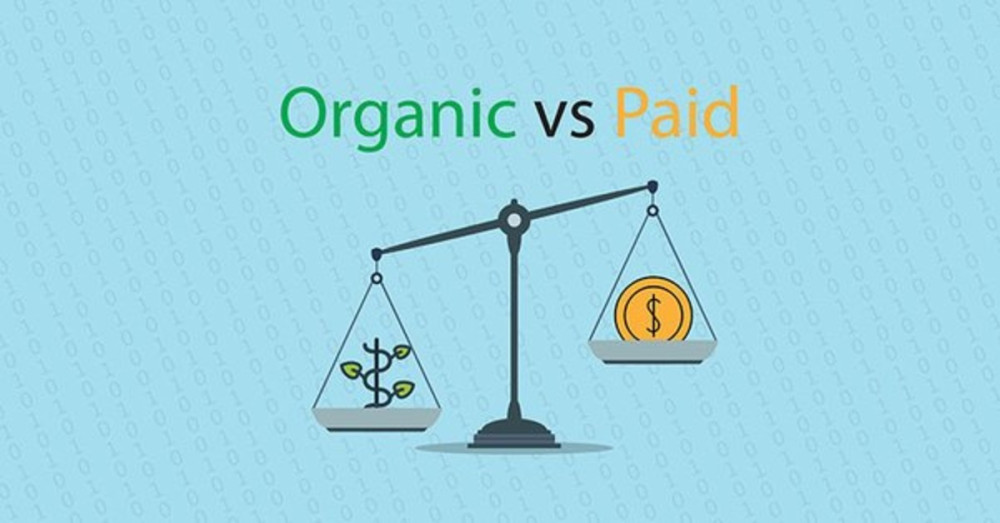
Both approaches have value. Paid marketing is ideal for generating fast results and expanding reach quickly. Organic marketing takes longer but delivers sustained visibility and long-term engagement.
The smartest strategies—like those used by leading digital marketing companies in India—combine both, using paid to accelerate growth and organic to build trust that lasts.
6.How Much Should I Budget for Digital Marketing?
Think of digital marketing company in India like your morning chai — you could skip it, but your day (or business) just won’t feel the same. It’s not a luxury anymore; it’s a necessity. If people don’t know you exist, how will they ever buy from you?
As a general rule, every brand is different — the products you sell, the audience you’re targeting, and the goals you’re chasing all shape what your marketing budget should look like. There’s no fixed formula that works for everyone; it comes down to what you’re trying to achieve.
For example:
Say you run a cozy little home bakery in Pune selling cakes and cookies. Your goal might simply be to get a few more local orders each month, so a lean, consistent effort on the right channels is enough to see results. That’s just a few cake orders a month reinvested to attract dozens more!
It’s not about spending big, it’s about spending smart. Even a modest budget, when used strategically and aligned with your goals, can help your brand pop up on the right screens, at the right time.
(Source: How Much Should a Company Spend on Marketing in 2026?)
7.Are Google Ads Worth the Investment?
Someone’s craving a custom cake for their sister’s birthday. They search for “best home baker near me” on Google, and guess what? There at the top is your page. They place an order after clicking and falling in love with what they see.
That’s intent-based advertising; you’re appearing just when someone needs you, not interfering with their scroll.
But your ad must be properly constructed for that to occur. Smart targeting, a well-designed landing page, and the appropriate keywords are more important than simply showing up. Ads require attention; test them, make adjustments, and monitor their effectiveness.
Strategizing and spending wisely is more important than spending a lot of money if you want your business to succeed. Partnering with a performance marketing company in India can ensure your Google Ads don’t just attract clicks—they bring in ready-to-buy customers at the right time.
8.Is Content Marketing Still Effective?
Suppose you have launched a skincare company. You start sharing helpful content instead of just marketing products, such as “What your skincare routine might be missing” or “How to choose the right face wash.” All of a sudden, people begin searching for your brand. They see value rather than just a product.
This kind of content doesn’t just attract clicks—it builds trust. People begin to see your brand as a helpful resource, not just a seller. They come back for more, stay longer, and are more likely to convert because you’ve already provided value before asking for a sale.
Roughly 67% more leads each month, which increases their chances of being found on Google. In fact, content marketing in India has become one of the most effective ways for brands to stand out and build lasting customer relationships.
The bottom line? Your competitors are most likely creating content if you aren’t, and they are already being served at the table.
In a crowded digital space, valuable content sets you apart—educate first, sell second, and trust will follow.
(Source: Essential blogging statistics: trends, tips, and insights 2026).

9.How to Measure Digital Marketing Success with Key Metrics?
Let’s say you’ve started a campaign, then. Fantastic! But what comes next? How can you tell if it’s functioning?
The real magic (and learning) starts here. Let’s divide it:
The number of people who saw your post or advertisement and clicked on it is known as the click-through rate, or CTR. For instance, your CTR is 10% if 100 people saw your Instagram ad and 10 of them clicked. Generally speaking, a high CTR indicates that your content is engaging or pertinent.
Conversion Rate: Action is key here. How many of the people who clicked actually completed the desired action, such as registering, making a purchase, or completing a form? Therefore, your conversion rate is 20% if 10 people clicked and 2 of them made a purchase.
Bounce Rate: This indicates the number of visitors to your page who left right away without taking any action. High bounce? Perhaps your page loaded too slowly or wasn’t what they were expecting.
Session Duration: Basically, the amount of time visitors spent on your website. Great, it indicates they were exploring if they stayed for a few minutes. Perhaps something isn’t working if they dipped in and out in ten seconds.
The broad picture is ROI (Return on Investment). What did you receive back, and how much did you spend? Your return on investment is strong if you made ₹3,000 in sales after spending ₹1,000 on advertisements. However, it’s time to reconsider if you spent ₹5,000 and only earned only ₹2,000.
Track all of this with tools like SEMrush, Meta Business Suite, or Google Analytics. They will show you what is succeeding, what is failing, and where adjustments are necessary.
10.Can I Handle Digital Marketing In-House or Should I Outsource?
It ultimately depends on your capacity, expertise, and business priorities.
If you have the time, resources, and a foundational understanding of digital platforms, managing your own Instagram, writing blogs, or running basic ad campaigns is certainly possible. However, for most small business owners juggling day-to-day operations, this can become overwhelming.
Take, for instance, a baker handling early morning orders, coordinating deliveries, and responding to customer inquiries—while also trying to troubleshoot a drop in reel performance or ad conversions. The time and focus required for effective digital marketing often get stretched thin.
That’s why many businesses choose to outsource specific functions like SEO, content creation, or paid ads to experienced digital marketing services company. Delegating strategically allows you to build a system that saves time, ensures consistency, and delivers measurable results.